Polish Epigram is an open-ended series of works developed since 2020, initiated in Taipei and continued in London.
Poland appears within it as symbolic material: a field of shared signs, codes and collective imaginary, whose apparent stability is continually confronted by social, political and cultural reality. The series emerges where common symbols cease to be innocent and the meanings assigned to them begin to turn against their own promises.
Each work is a material figure of thought. It is constructed through the precise juxtaposition of forms already charged with their own histories and cultural memory, as well as through their transformation, reconstruction and fabrication from scratch. Everyday objects, national emblems, attributes of authority, religious signs and references to popular culture function not as neutral quotations, but as active components of the work. Their proportions, materials, weight, colour and mode of making are governed by a single principle: meaning must remain condensed, while the form retains visual lightness.
Familiar forms are brought into relationships in which their established meanings begin to work against one another. Sometimes a function changes, sometimes the relation between elements, sometimes a single detail takes control of the meaning of the whole. Through these minimal interventions, humour meets violence, absurdity meets authority, promise meets loss, and national symbolism encounters its own shadow.
The title refers to the traditions of the literary epigram and the Polish fraszka: concise, precise forms capable of containing far more than their scale might suggest. In Polish Epigram, their equivalent becomes the sculpture-micro-installation – a form of compression in which matter itself delivers the point.
The series focuses on mechanisms shaping contemporary Polish reality: the production of antagonisms, the appropriation of shared symbols, the erosion of authority, the social legitimisation of aggression, the seductive power of promise, and the tension between collective interest and the logic of division. These phenomena are translated into the physical scale of the object – given weight, surface, proportion and spatial relation.
Polish Epigram remains open-ended because its material – a reality that continues to produce its own paradoxes – remains inexhaustible.
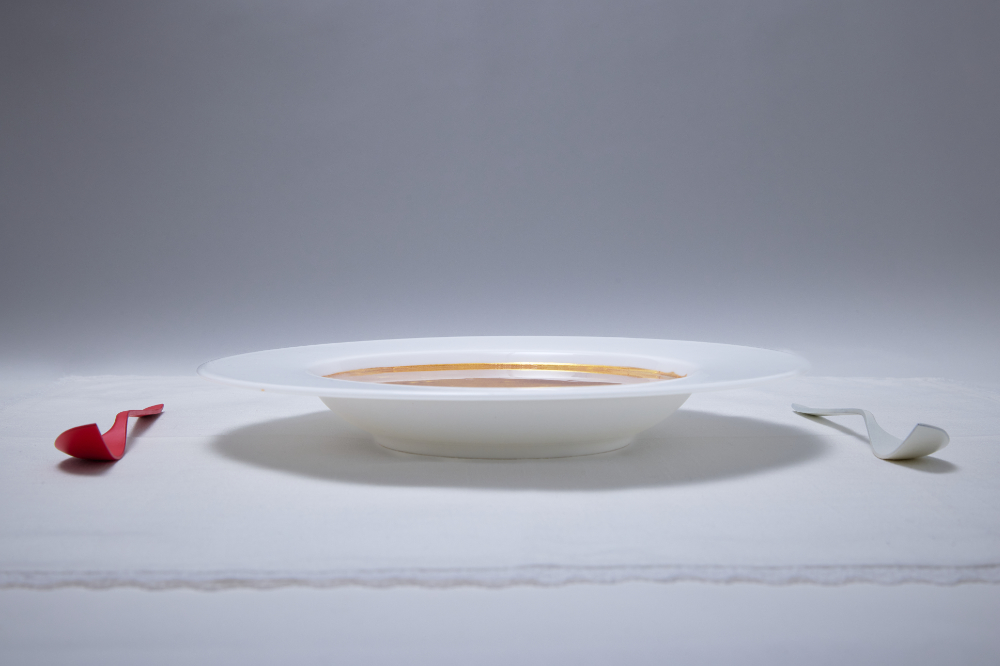
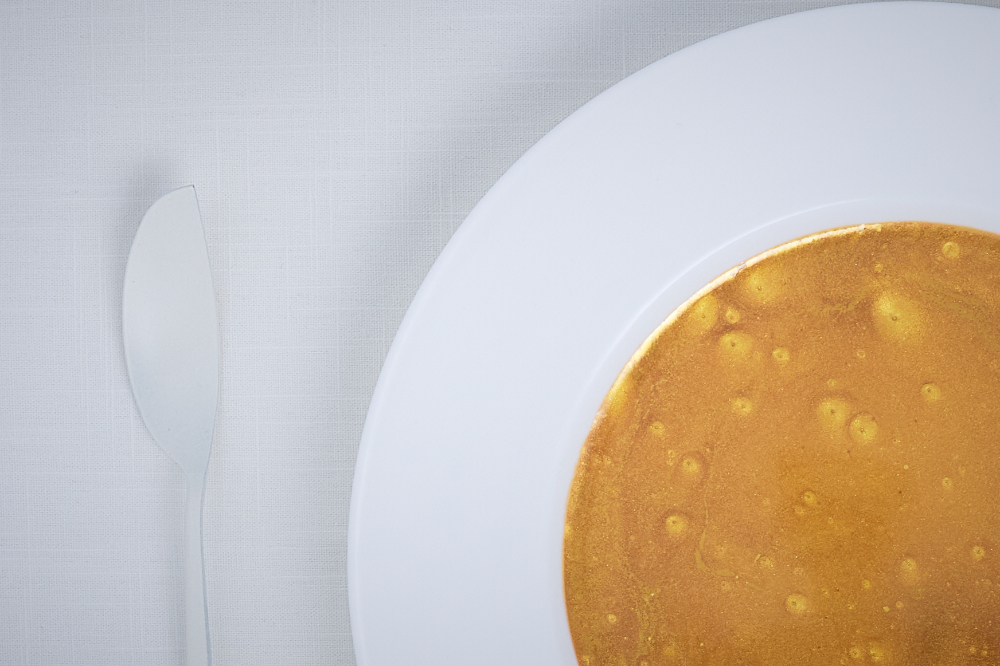
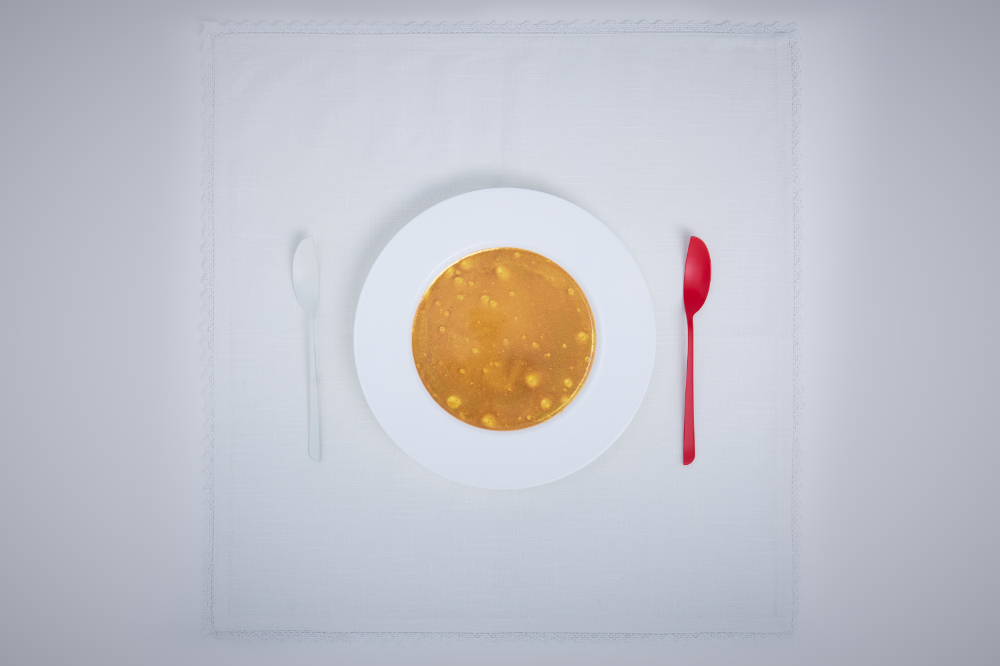
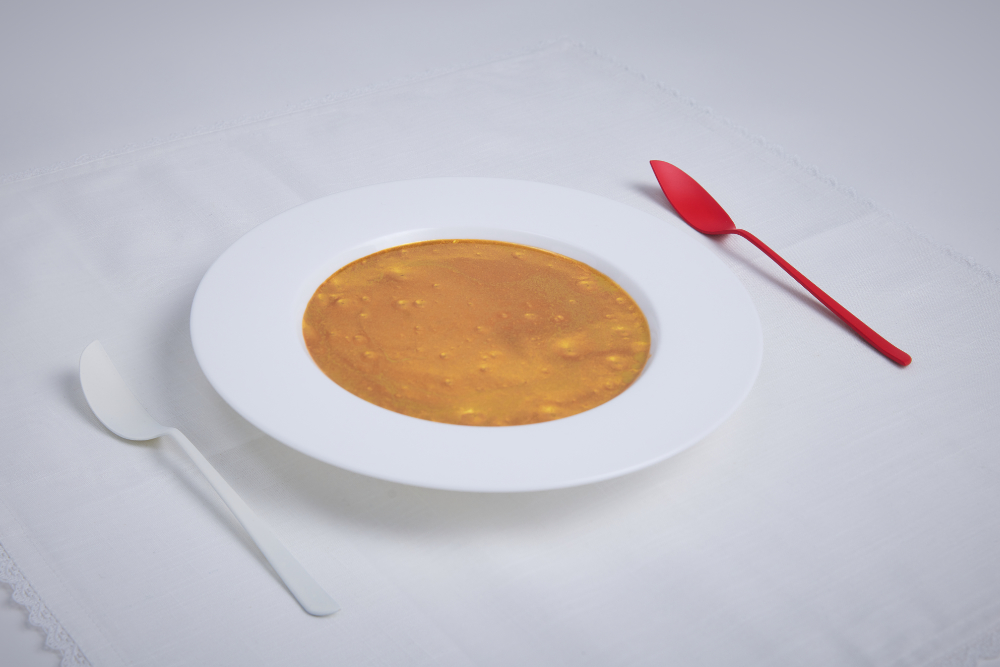


Polish Epigram No:8
50 x 50 x 5 cm
porcelain, resin, fabric, metal
2025, London, UK
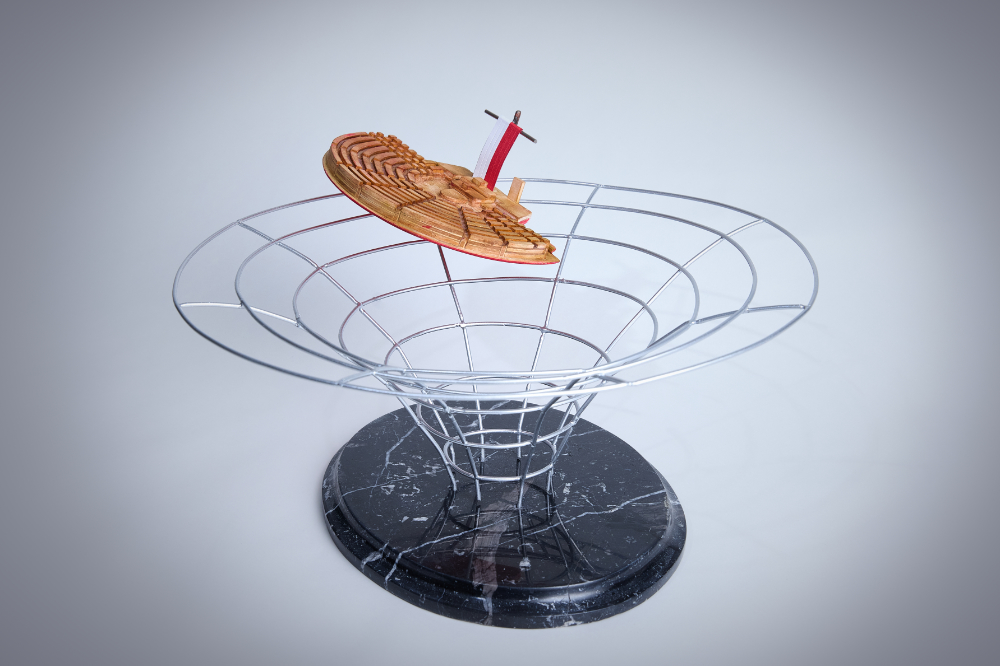
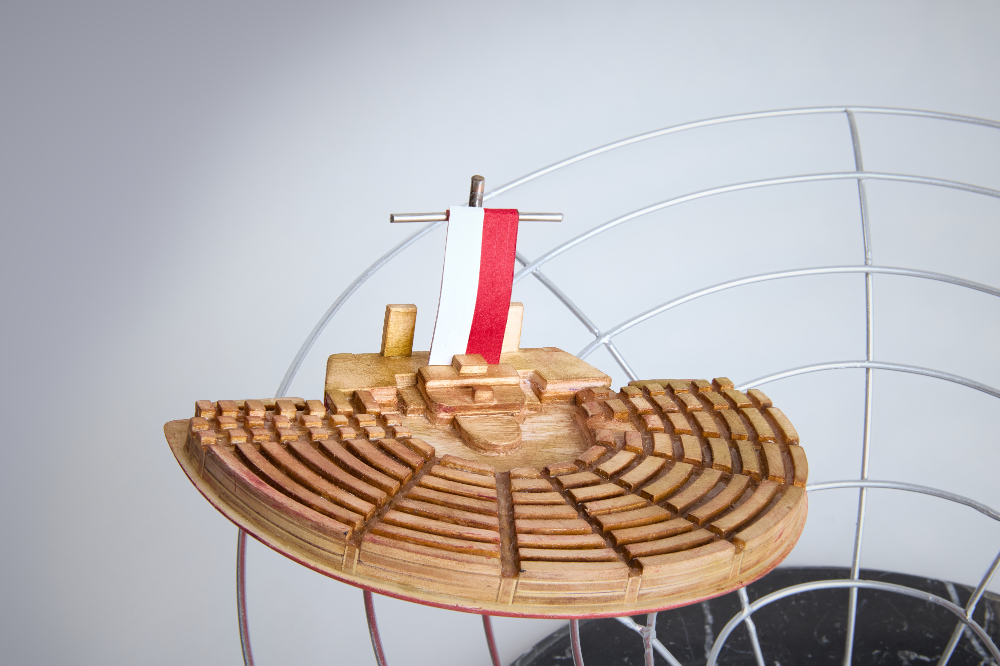
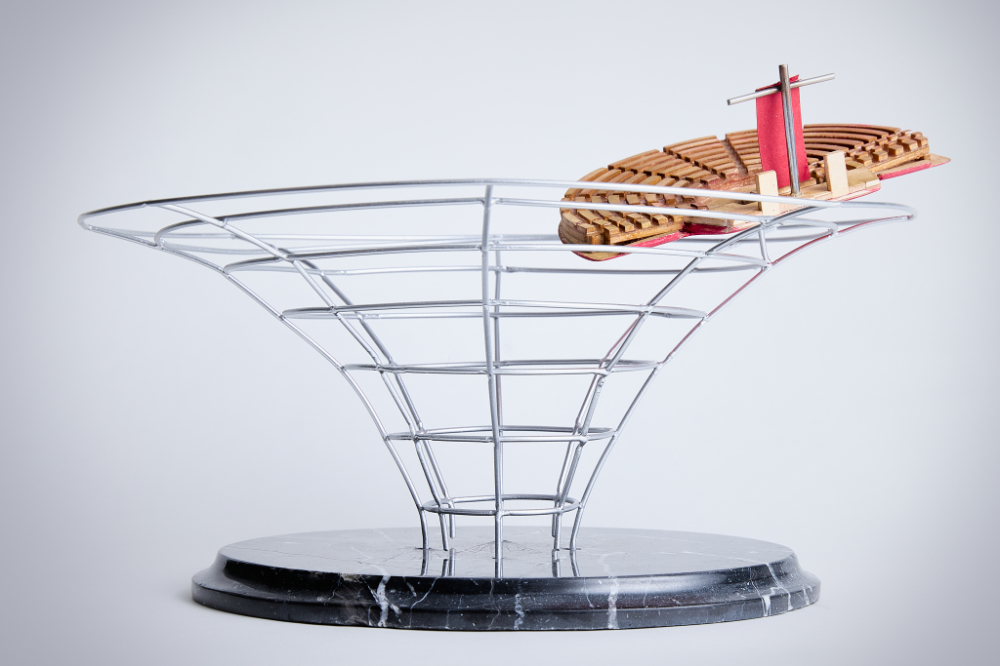
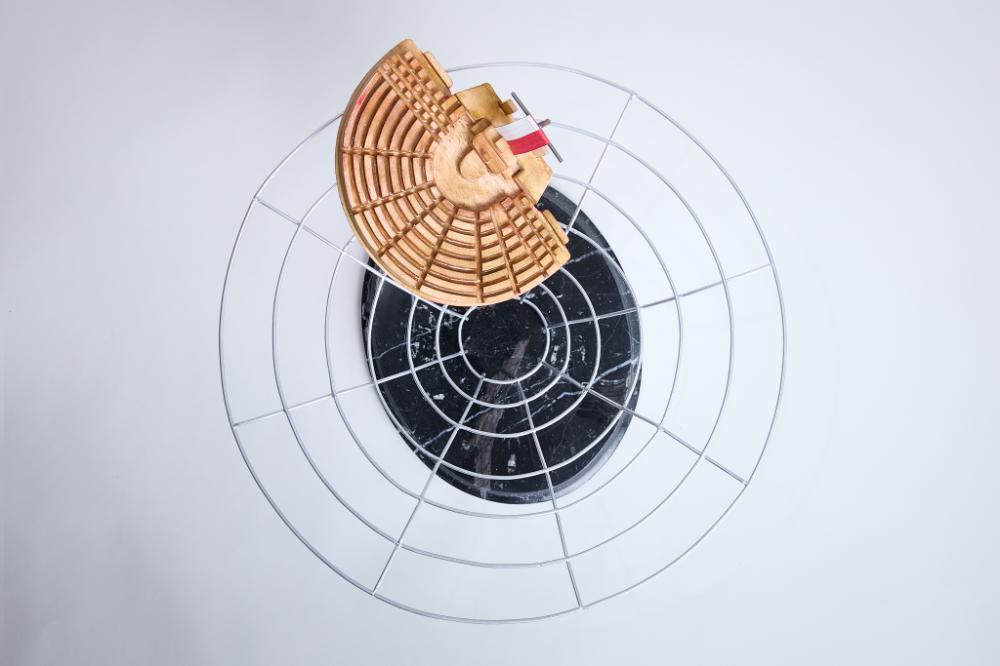
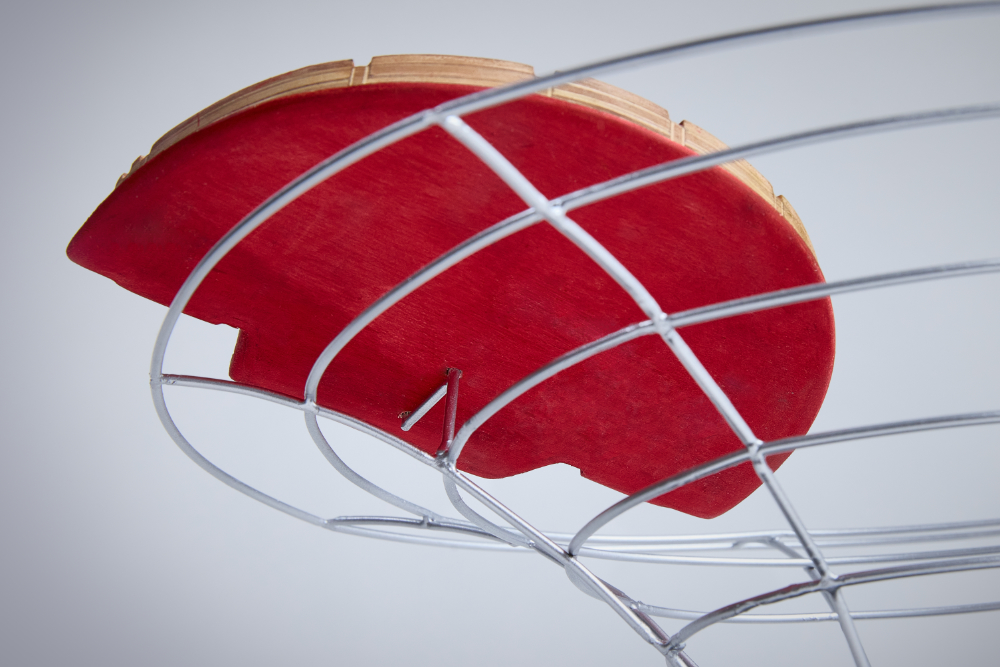
Polish Epigram No:7
36 x 34 x 20 cm
wood, paper, metal, stone
2025, London, UK
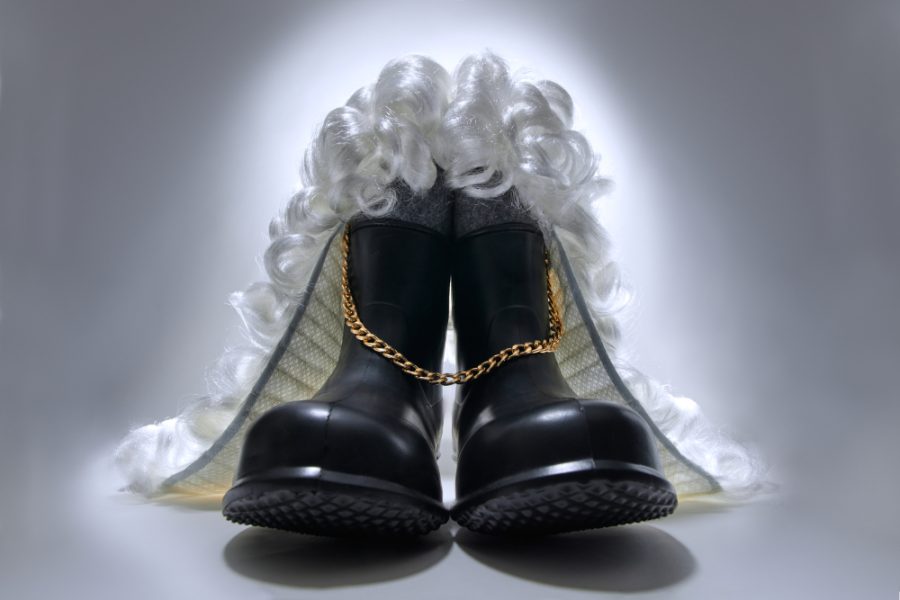
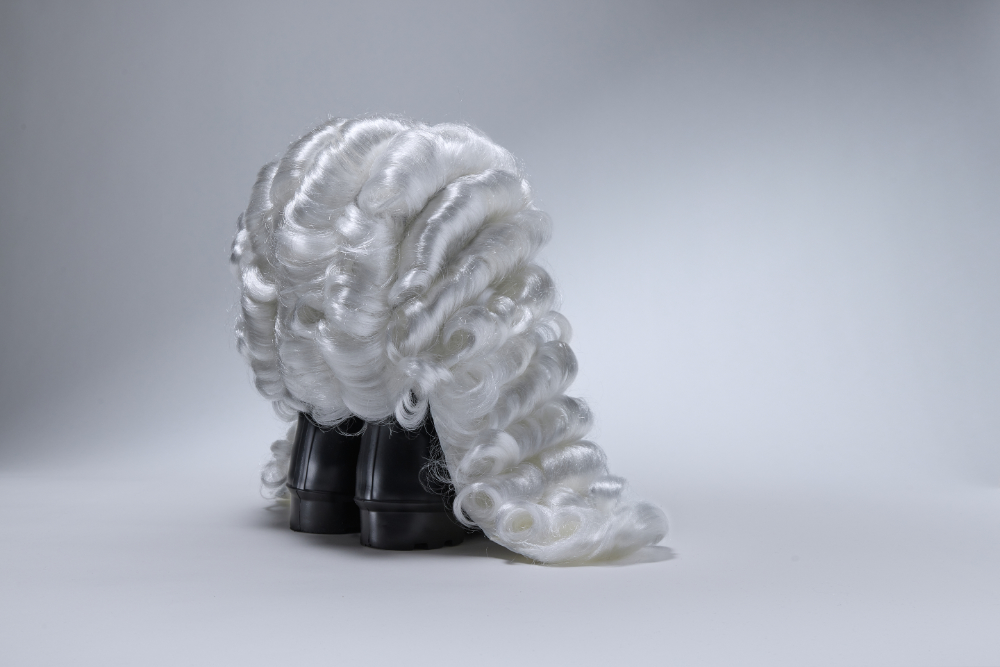
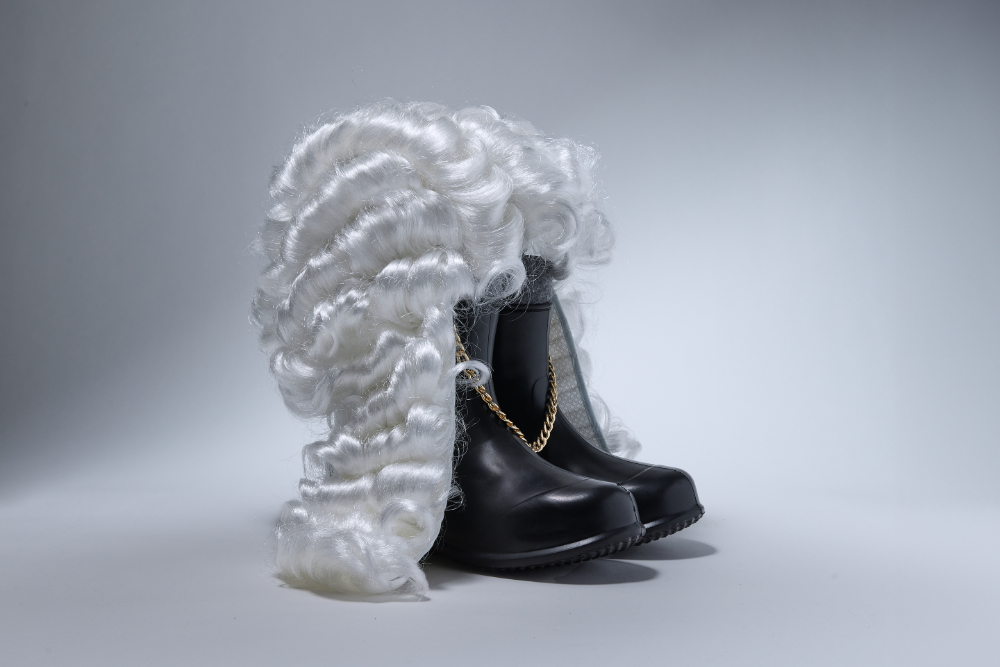
Polish Epigram No:6
35 x 30 x 35 cm
ready-made mixed media
2023/24, London, UK
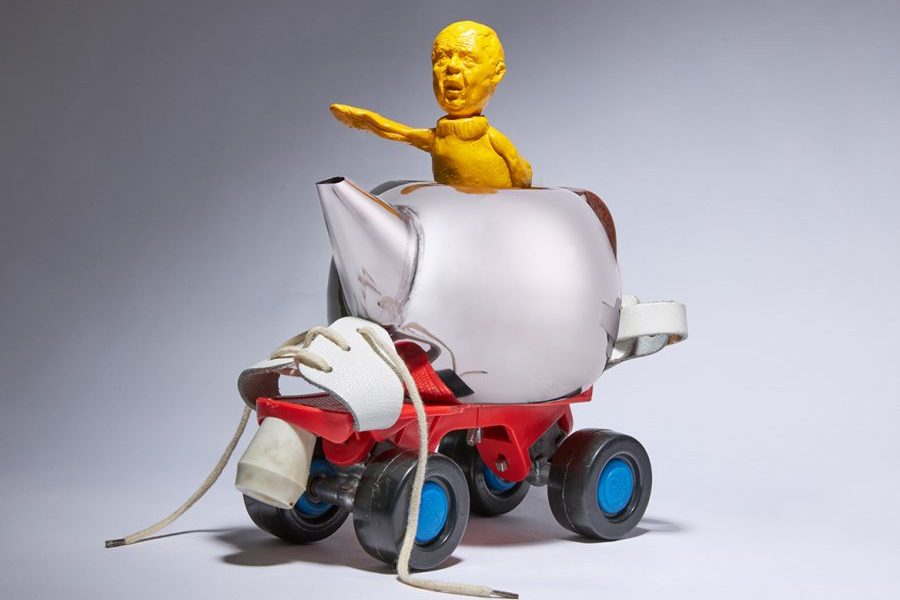
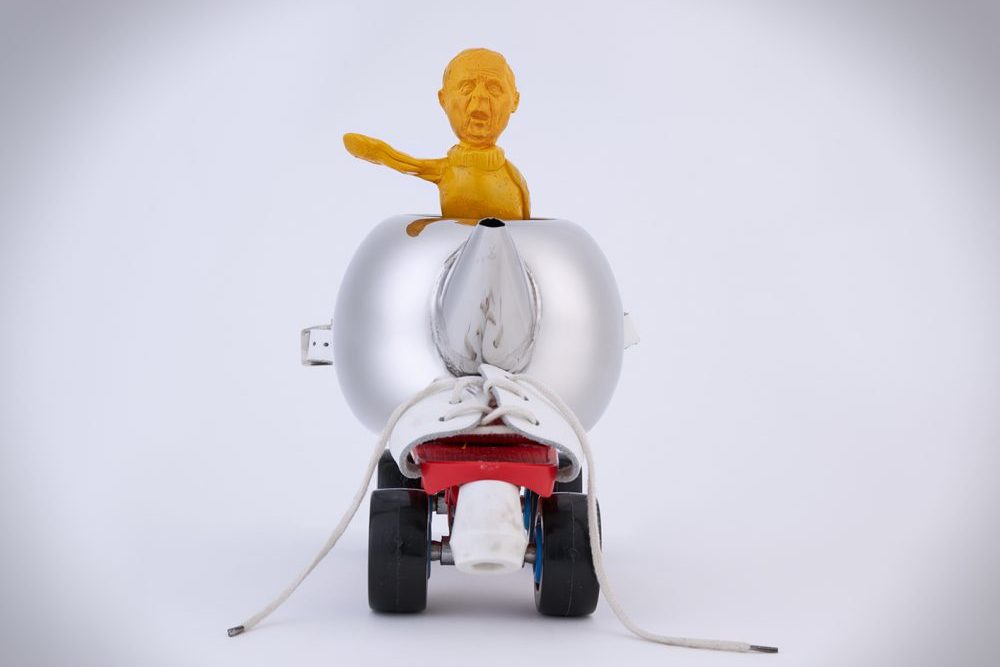
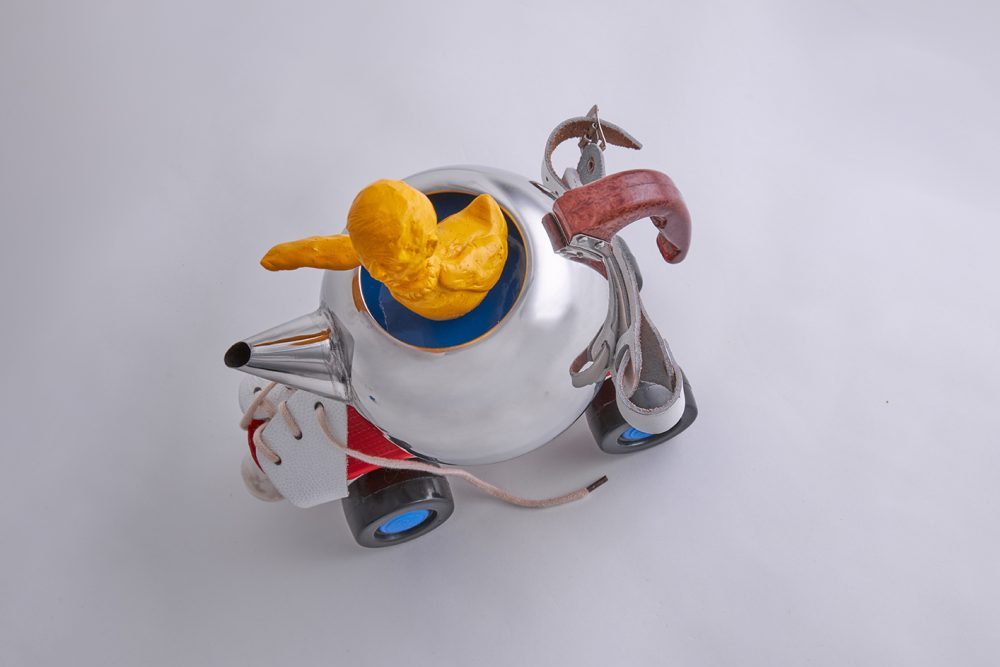
Polish Epigram No:5
22 x 14 x 20 cm
metal, plastic, leather, resin
2021, Taipei/London
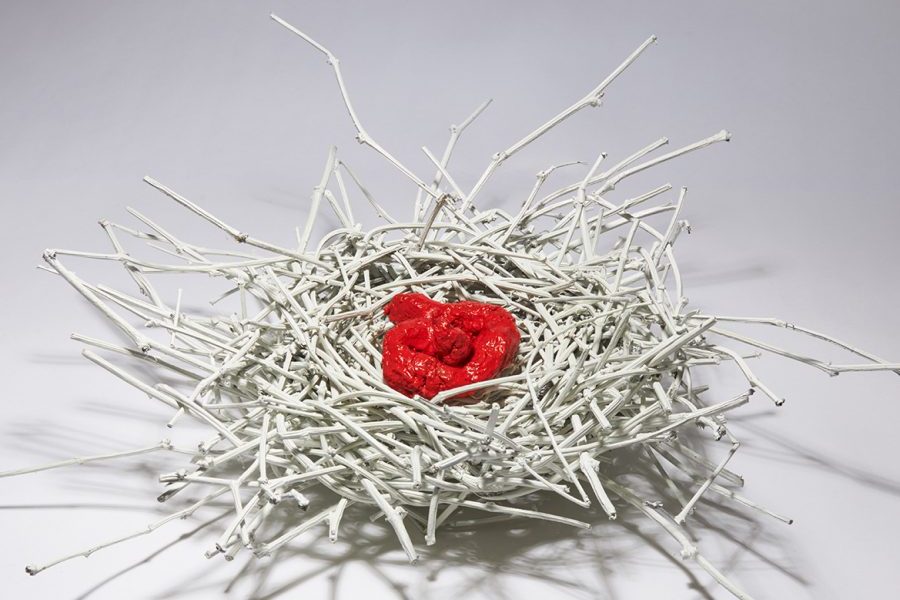
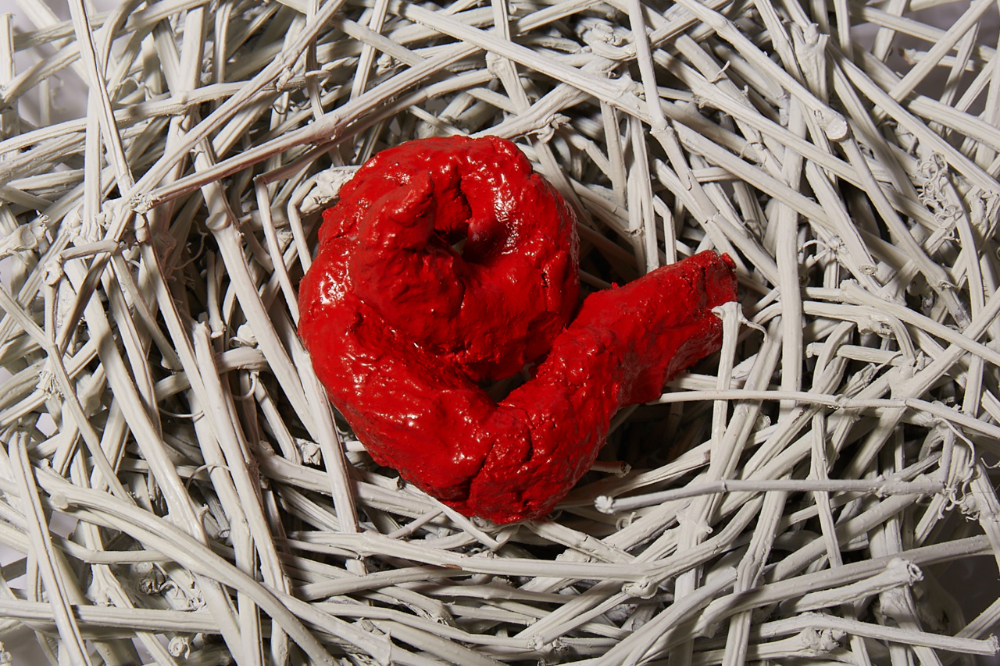
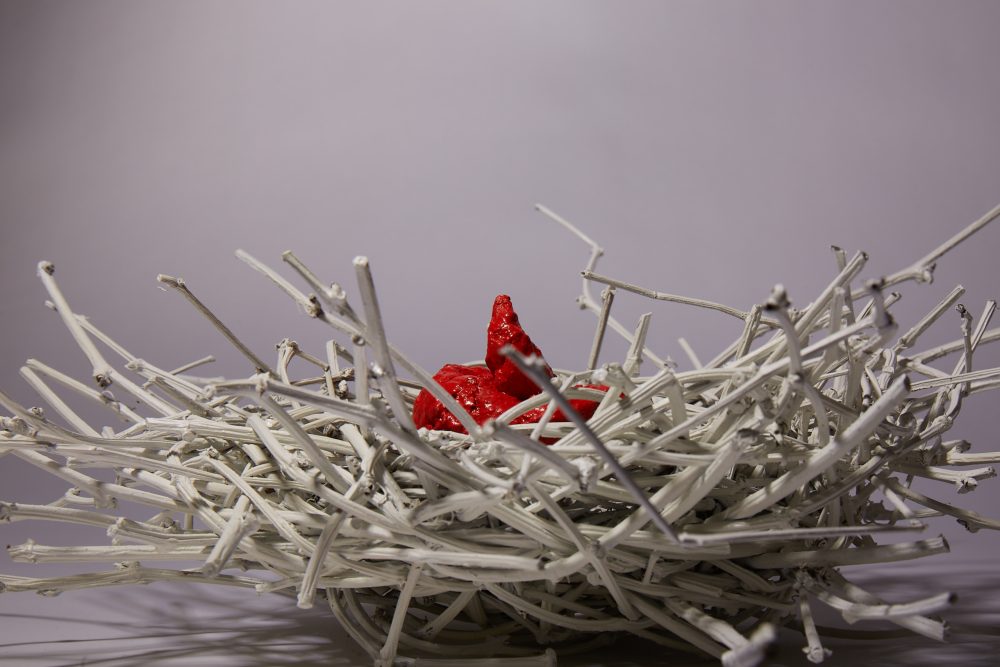
Polish Epigram No:4
50 x 50 x 20 cm
branches, paper, resin
2021, London, UK
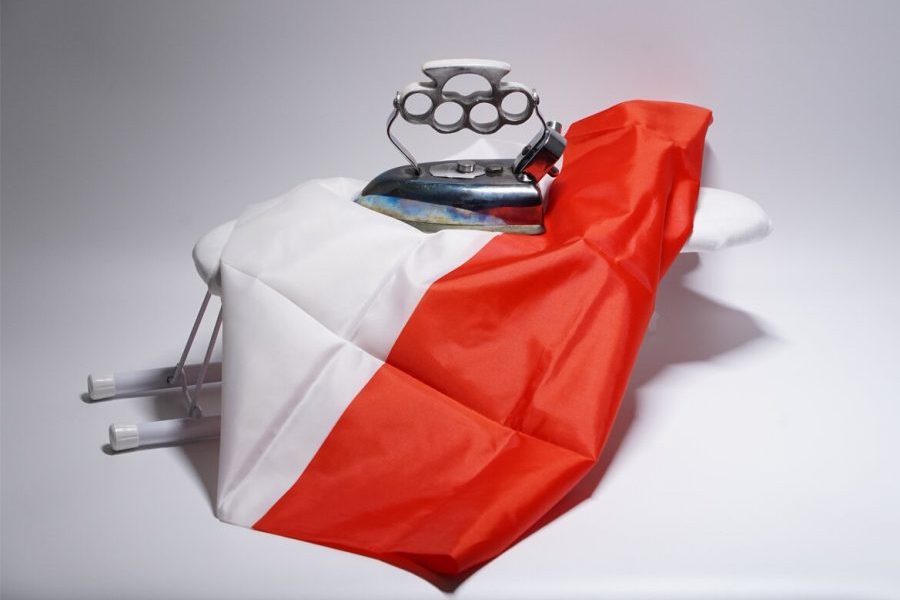
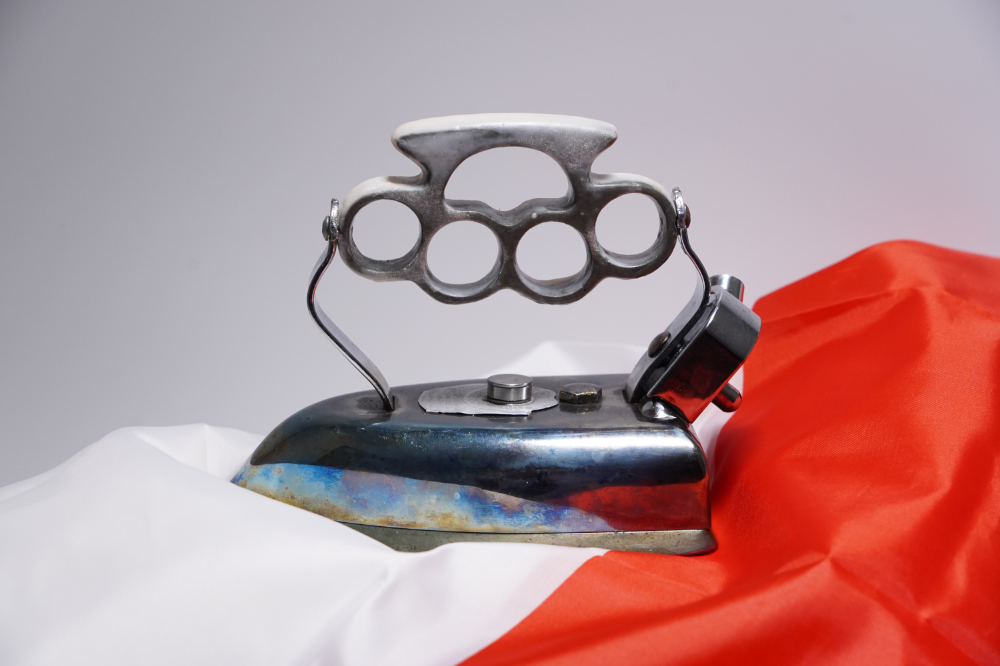
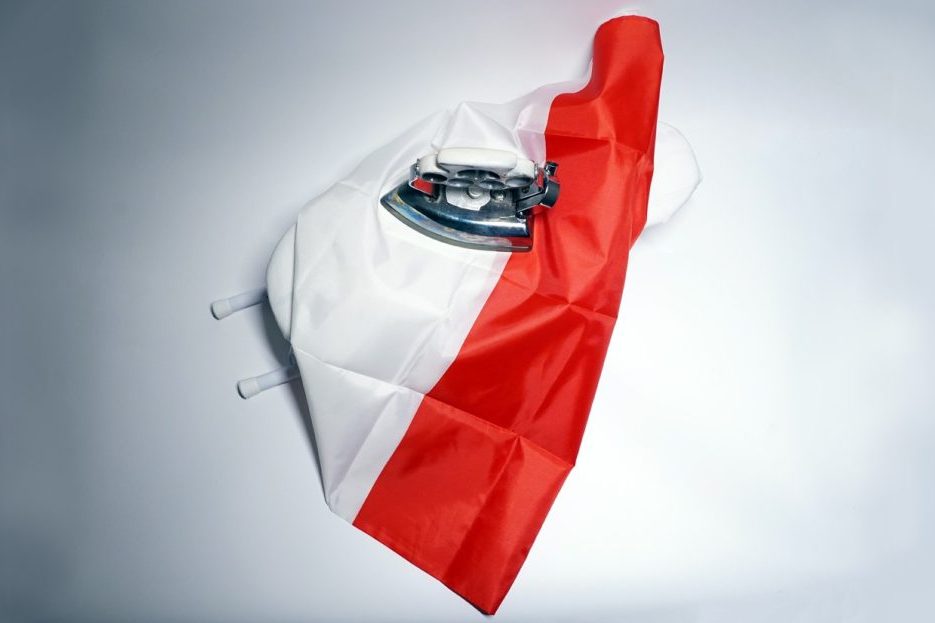
Polish Epigram No:3
50 x 55 x 30 cm
metal, synth resin, fabric
2020, Taipei, Taiwan
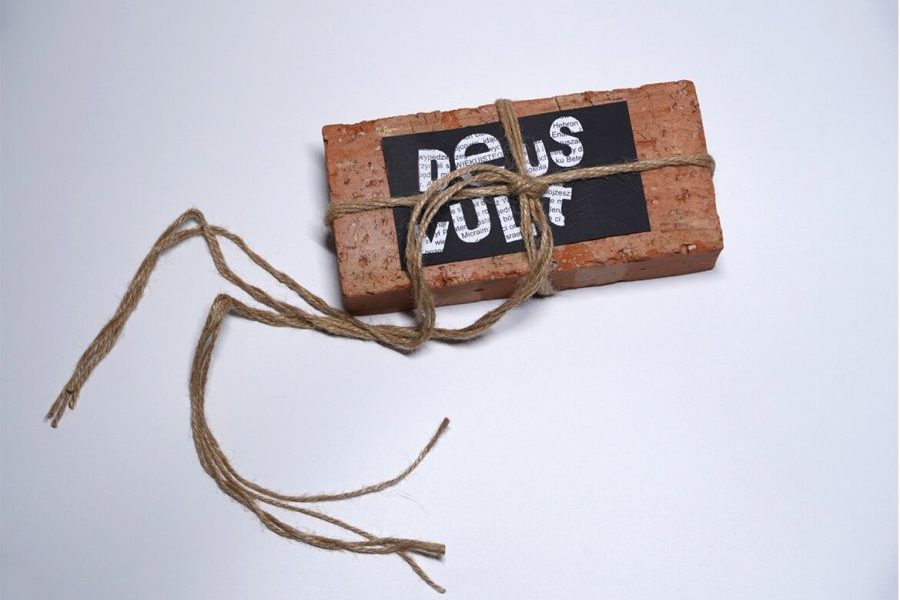
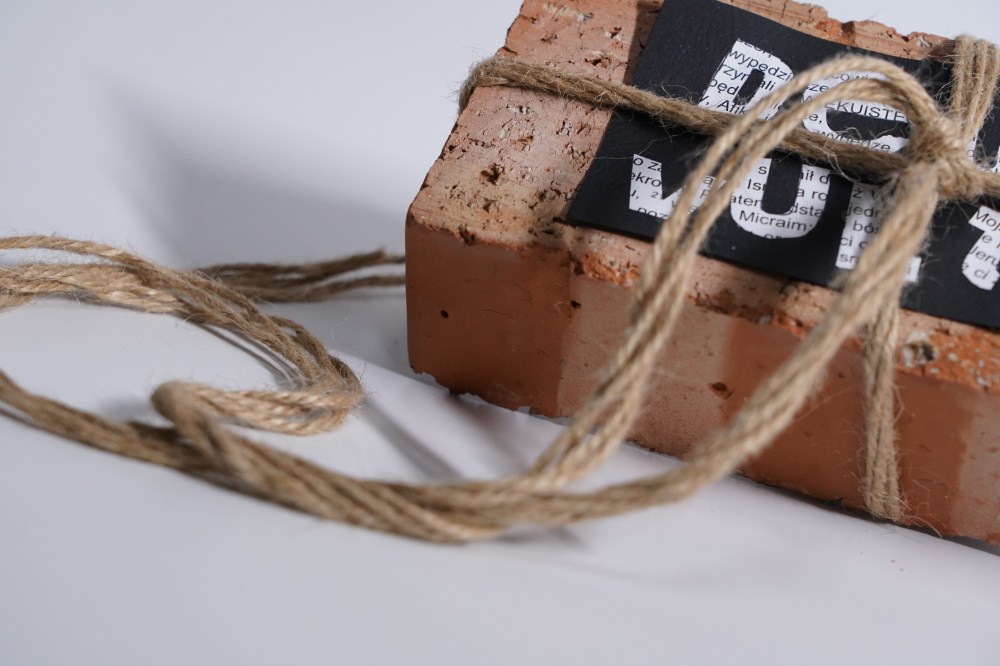
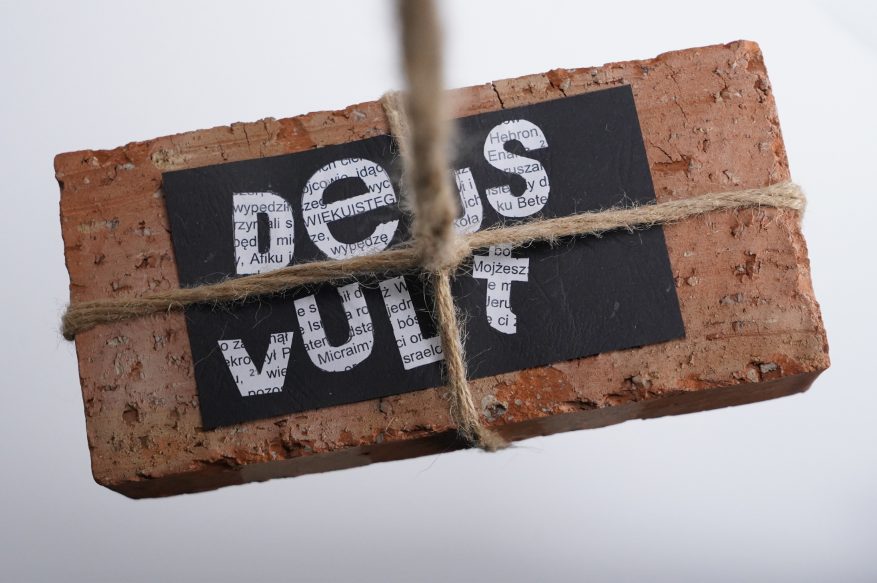
Polish Epigram No:2
Deus Vult (lat.) – God wills it (eng.)
21 x 10 x 6 cm
paper [fragments of texts cut from the bible], hemp rope, brick
2020, Taipei, Taiwan
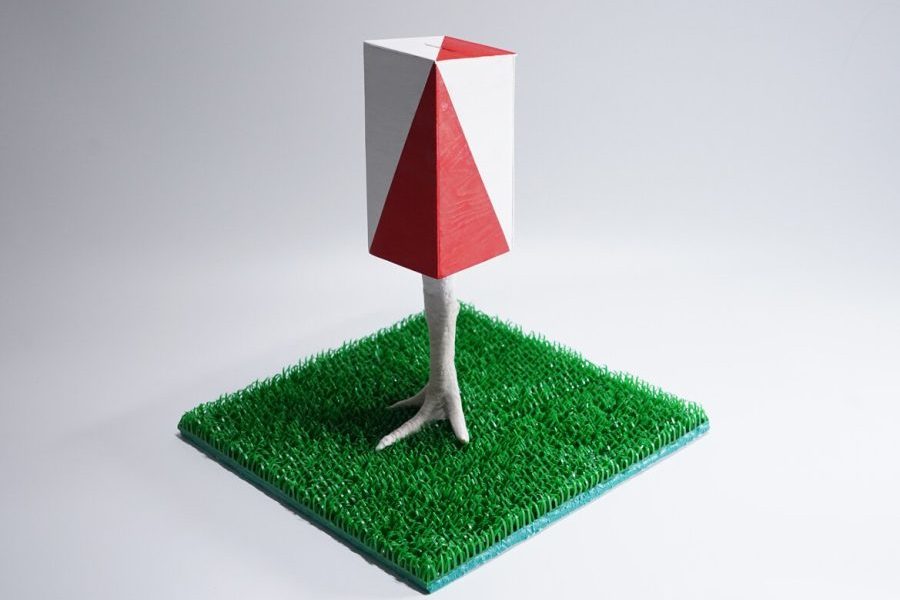
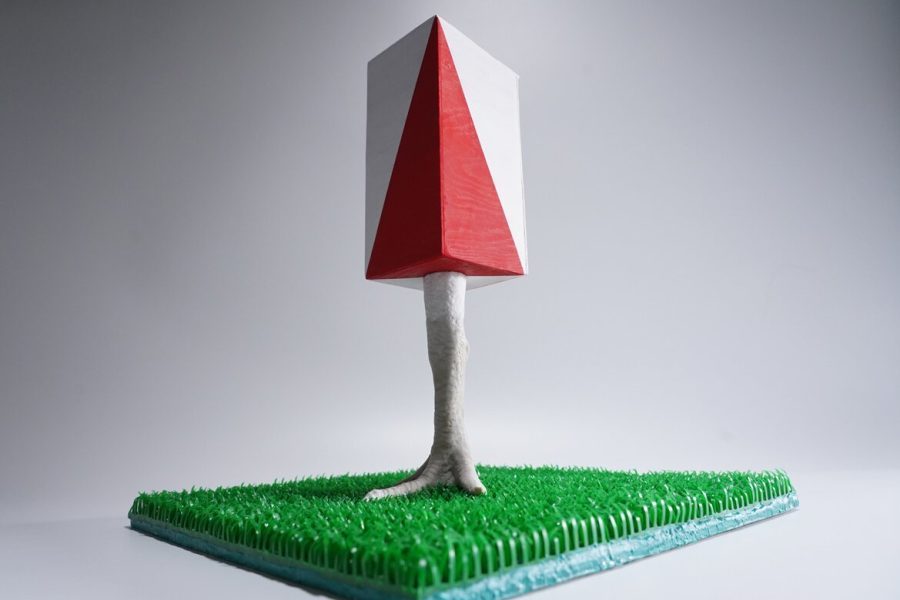
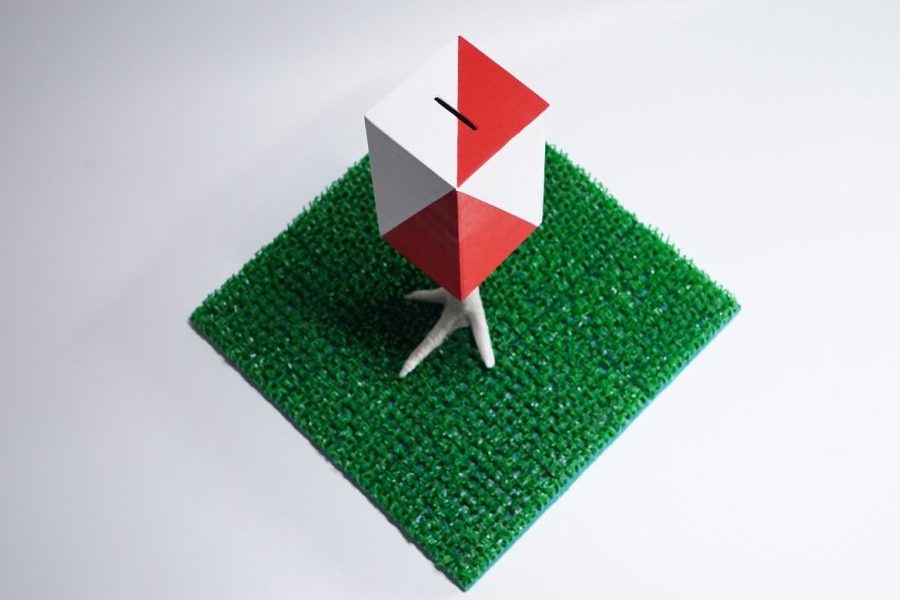
Polish Epigram No:1
33 x 29 x 29,5 cm
wood, plastics, steel, synth resin
2020, Taipei, Taiwan